



lower back pain
- Show All
-
Back health
-
lower back pain
-
Treatments
-
Lumbar Spinal Stenosis
-
sciatica
-
Spine conditions
-
Lumbar Pain
-
spinal stenosis
Back Pain After an Epidural

Epidurals are prominent pain relief treatments for childbirth, surgery, and back pain; they involve injecting medication into the space around the spinal nerves in the lower back. Unfortunately, back pain is a prevalent epidural side effect: in a Medicina study, 30.38% of postpartum women who received epidural analgesia reported back pain in the days after delivery, and 31.65% of the epidural group still had back pain six months post-delivery.
Lower Back Pain and Nausea: What’s the Connection and How to Find Relief

Nausea is never a welcome sensation. But when it occurs along with other symptoms, like lower back pain, you may worry that a deeper issue is at play.
Lower Back Pain in the Morning That Goes Away: Causes, Red Flags, and Relief

If you regularly wake up with lower back pain in the morning that goes away within 15 to 30 minutes, you’re not alone. Lower back pain affected an estimated 577 million people in 2017, and among people with chronic lower back pain, as many as 87% have reported difficulty getting up in the morning due to pain. Possible explanations include natural effects of overnight immobility, including spinal disc fluid absorption, thickened synovial fluid, and muscle tension, as well as poor sleeping positions and unsupportive mattresses. Certain underlying medical conditions, like ankylosing spondylitis, can also cause morning back pain.
How to Decompress the Lower Back: A Complete Guide

Spinal decompression is a treatment used to reduce pressure on compressed spinal nerves due to injuries, poor posture, or conditions like herniated discs, spinal stenosis, and spondylolisthesis. It may be performed surgically through procedures like laminectomy, discectomy, or foraminotomy, or non-surgically using motorized traction or targeted exercises. Spinal decompression may help with symptoms like back pain, pain that radiates from the back to the lower extremities, numbness, tingling, muscle weakness, and reduced mobility.
What Organs Can Cause Lower Back Pain?

The organs that can cause lower back pain include the kidneys, bladder, colon, appendix, liver, gallbladder, and pancreas. In men, the prostate can cause lower back pain; in women, the pain may stem from the uterus or ovaries. While lower back pain is much more likely to come from musculoskeletal triggers, understanding organ-related red flags can help you receive the care you need.
Why Does My Lower Back Hurt on the Right Side?
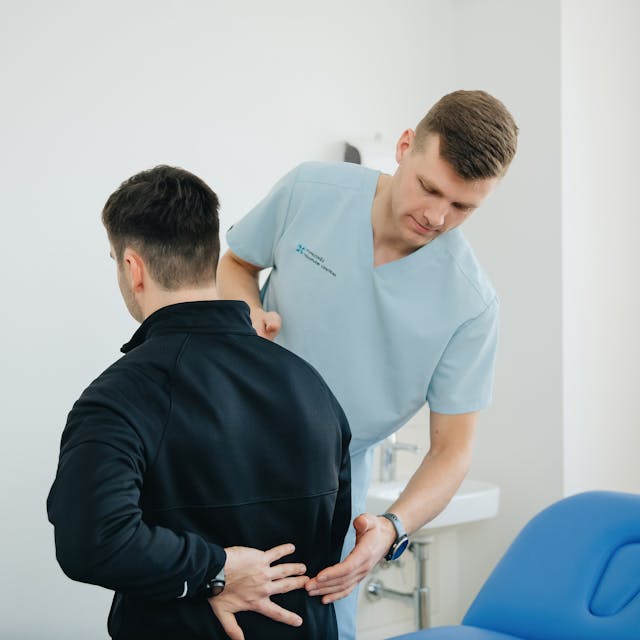
Lower back pain on the right side can result from musculoskeletal (back sprains, strains, herniated disc, sciatica, etc.), organ (kidney stones, appendicitis, liver conditions), gynecological (endometriosis, ovarian cyst, etc.), or male-specific (testicular torsion, prostatitis) factors. While simple sprains and strains are the most common and often resolve on their own with home care, it’s crucial to watch out for red flag symptoms that require immediate attention, like sudden, severe pain, changes in bladder or bowel function, or rapidly progressing numbness or weakness.
Lower Back Pain: Right Side Above the Buttocks

Lower back pain on the right side above the buttocks can indicate various conditions ranging from a simple muscle strain or sprain to musculoskeletal conditions (sciatica, herniated disc, osteoarthritis, radiculopathy, sacroiliac joint dysfunction, piriformis syndrome) to organ conditions (kidney stone, kidney infection, appendicitis) to male-or female-specific conditions. While most cases are mild and resolve with at-home care, persistent pain and red-flag symptoms require professional medical care.
Worst Sleeping Position for Lower Back Pain

The worst sleeping position for lower back pain is on your stomach because it deepens the curve of the lumbar spine, placing more pressure on the spinal discs, nerves, joints, ligaments, and surrounding muscles. The best alternatives are sleeping on your back with a pillow under your knees, or sleeping on your side with a pillow between your knees. When you consider that you spend approximately one-third of your life sleeping, adopting a spine-friendly position is an essential pillar of back pain prevention.
Sudden Severe Lower Back Pain in Females

Reproductive conditions, hormonal shifts, and simple anatomy can leave women vulnerable to back pain. While sudden lower back pain in women usually stems from acute muscle strains, PMS, or spinal conditions, like a herniated disc or spinal stenosis, it can point to serious medical conditions, like cauda equina syndrome, infections, or ectopic pregnancy.
What Causes Left Lower Back Pain in Females?

Left lower back pain in females is often rooted in either a musculoskeletal injury (like a back muscle strain), reproductive health issue (like endometriosis, PMDD, or ovarian cysts), or kidney conditions (like kidney stones or infections). Women are generally more prone to back pain than men due to hormonal fluctuations (especially those related to pregnancy and menopause), unique anatomical features (wider pelvis, smaller sacroiliac joints), and pregnancy. These factors can contribute to pain in the left side that stems from the pelvis or organs (also known as “referred pain”).
Overlooked Remedies to Relieve Lower Back Pain

When lower back pain threatens to wreck your day, most people reach for the most common remedies: An ice pack, over-the-counter painkillers, and a quick stretching session. But these are far from the only back pain treatments at your disposal. Considering overlooked remedies to relieve lower back pain could bring you greater comfort or, for more severe forms of back pain, an entirely new lease on life.
What Is Better for Lower Back Pain: Heat or Cold?

The power of temperature has long been used as a natural pain remedy. Heat and cold therapy offer distinct benefits for pain, ranging from muscle soreness to acute injuries and even chronic pain. While heat soothes tense muscles and encourages blood flow, cold therapy curbs inflammation and temporarily numbs pain.
L4-L5 Nerve Root Compression Symptoms

The L4 and L5 nerve roots are located in the lumbar spine. They’re commonly affected by lumbar spine conditions, like spinal stenosis and spondylolisthesis. If these conditions trigger L4-L5 nerve root compression, you may experience a variety of symptoms, including chronic lower back pain.
Pain in the Lower Back and Hips: Female

The human body is closely interconnected. Pain in certain parts of the body can point to problems in other areas, or pain can occur in multiple areas simultaneously. With that in mind, pain in the lower back and hips in females can indicate various conditions and injuries.
Left Side Lower Back Pain
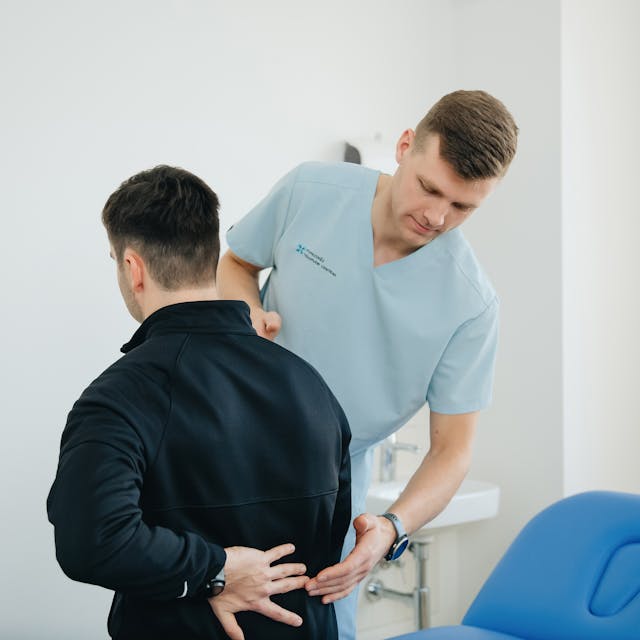
When lower back pain strikes only on the left side, it’s natural to be alarmed (especially for the hypochondriacs among us). But while left-sided back pain can point to conditions that require urgent care, like certain organ issues, it can also be caused by common concerns, like post-workout muscle soreness.
Physical Therapy for Lower Back Pain

Drug-free, non-invasive, and research-backed, physical therapy is a dependable treatment option for lower back pain. By bolstering muscular support for the spine, improving your mobility, and implementing better posture, your physical therapist will work with you toward a pain-free future.
Back Braces and Support Belts for Lower Back Pain

When lower back pain doesn’t budge despite rest and home remedies, a back brace may provide the support you need to heal. By physically taking impact off the spine, these devices can help your back recover without invasive procedures or medications. They can also help you bounce back from back surgery, preventing you from overexerting the spine as the tissue regenerates.
Critical Signs Your Lower Back Pain Is a Medical Emergency

Lower back pain is extremely common, affecting nearly all of us at one point or another. Usually, that twinge or achiness in the lower back has a benign explanation; perhaps you pushed your body past its limits in yesterday’s workout or sat with poor posture throughout yesterday’s meeting. But that doesn’t mean lower back pain is never a cause for concern - certain symptoms warrant emergency medical care to prevent serious complications.
Lower Back and Hip Pain: Common Causes and Solutions
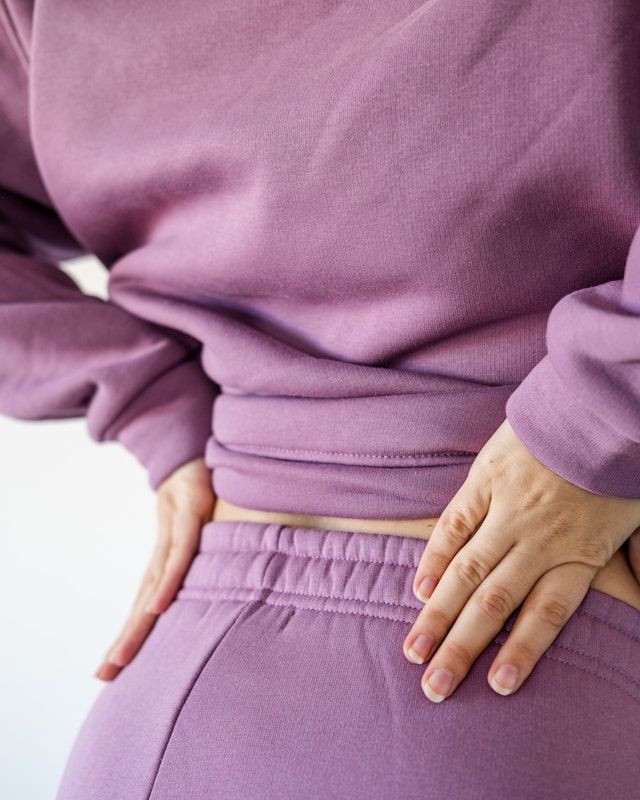
While the lower back and hips are close together on the human body, they’re more interconnected than you might think. Not only does lower back and hip pain often occur simultaneously, but these regions are particularly susceptible to referred pain (pain that occurs in one area, but originates in another). It’s no wonder that many healthcare professionals check the hips in response to lower back pain complaints, and vice versa.
Non-Surgical Approaches to Treat Lower Back Pain
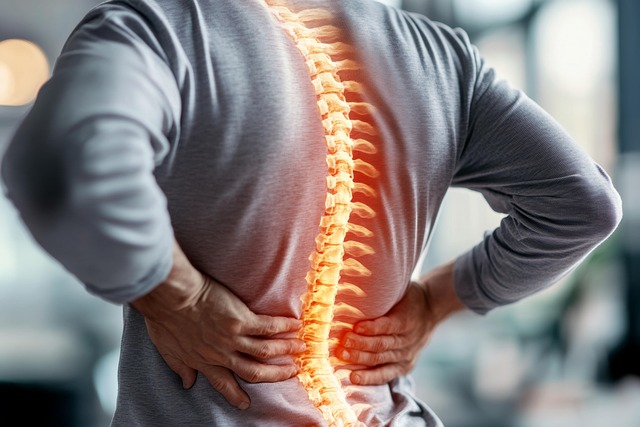
Avoiding surgery for lower back pain presents several benefits, from preventing risks and complications to preserving mobility. While some severe cases eventually require surgery to restore patients’ quality of life, non-surgical approaches to treat lower back pain are often effective. With options ranging from physical therapy to medications to lifestyle adjustments and more, back pain sufferers aren’t confined to invasive measures.
Yoga for Lower Back Pain

Yoga has a history spanning up to five millennia, when yoga poses were carved in stone by ancient civilizations. Now, yoga is everywhere, from community yoga studios to outdoor classes and even online instruction from expert yogis. Alongside its benefits for mental health, balance, and flexibility, is yoga for lower back pain a good idea?
Vertebrogenic Low Back Pain

Have you heard of vertebrogenic low back pain, or VLBP? This type of back pain results from damage to the spine’s vertebral endplates, which act as an interface between the vertebrae and intervertebral discs. As a significant cause of chronic lower back pain, VLBP requires prompt treatment to prevent lost mobility.
Lower Back Pain Chart

Deciphering lower back pain isn’t always easy. In fact, it can feel like you’re wandering through the dark, trying to connect your symptoms to the plethora of possible back pain causes and triggers. While visiting a doctor is the best way to understand the root of your discomfort, a detailed lower back pain chart can help bring clarity to this prevalent health concern.
Lower Back and Pelvic Pain in Females – Explained
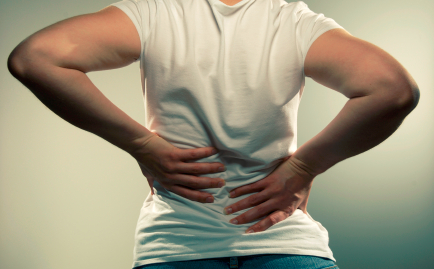
Lower back pain is a common health concern for adults of both genders. Alone, it’s usually caused by musculoskeletal injuries. However, when it’s accompanied by pelvic pain in women, lower back pain can point to various gynecological or urinary issues. Distinguishing between the two is crucial to receiving proper treatment and alleviating your symptoms.
Best Mattress for Lower Back Pain
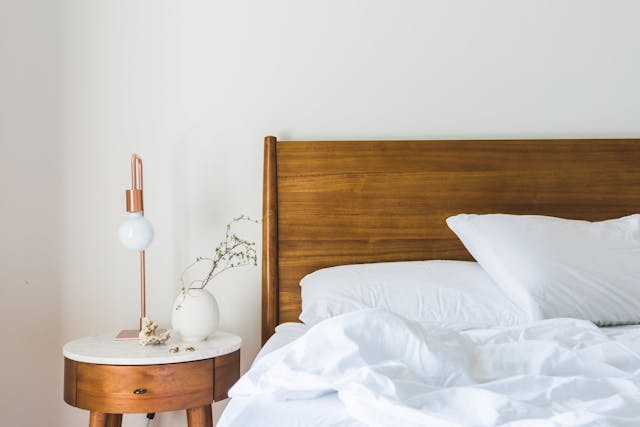
Lower back pain can result from overuse, arthritis, spinal conditions, or a sudden injury. But, in some cases, back discomfort is simply caused by a bad mattress. Your mattress largely affects your spinal alignment while you sleep, either helping or hurting your pain levels throughout the day.
Hip Pain and Lower Back Pain
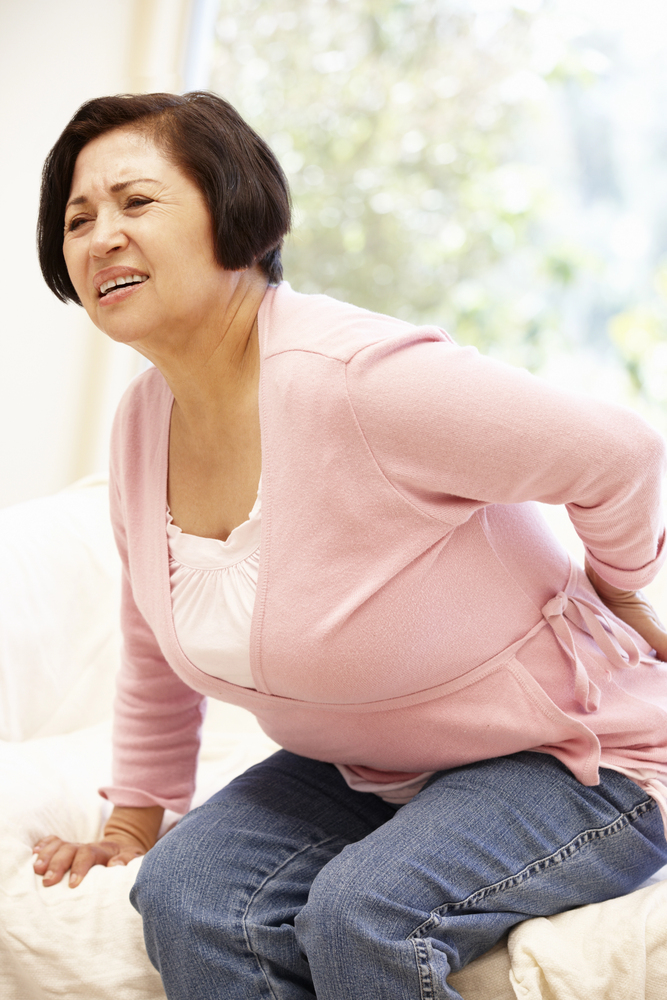
Did you know that hip pain and lower back pain often go hand in hand? Sometimes, pain in the lower back actually results from a hip issue, and vice versa. In this article, we’ll discuss how to address pain in these regions, and signs you should see a doctor for a formal evaluation.
Lower Back Pain When Sitting But Not Standing

If your lower back hurts, your first instinct may be to take a seat. But, while sitting takes a load off your legs and feet, it can worsen back pain in some circumstances. Lower back pain when sitting but not standing can point to various conditions, including spinal diseases and sciatica.
Lower Back Spasms That Prevent Movement

When a muscle spasms, it means that it involuntarily tightens and contracts. This can cause significant pain and, in some cases, points to an underlying problem. The lower back is a common site of muscle spasms, as it’s subject to stress from poor posture, overuse, and age-related spinal chances.
Stretching the Lower Back to Relieve Pain

Does lower back pain plague your day-to-day, making it difficult to enjoy your life to the fullest? If so, you’re in very good company. An estimated 39% of adults in the United States reported having back pain in 2019, and it’s the second biggest reason Americans visit the doctor’s office.
How to Crack Your Lower Back?

Most people crack their backs every once in a while, especially after a long period of sitting or lying down. Some even crack their backs daily to release tension and alleviate stiffness. But, how can you crack your lower back safely, without causing strain or inflammation?
Top Remedies to Relieve Lower Back Pain

Back pain is a widespread health issue across the globe, and it most commonly affects the lower back. An estimated 619 people globally experienced lower back pain in 2020 alone, making it the leading cause of disability in the world.
Understanding Extreme Lower Back Pain: Causes and Treatment Options

For many people, lower back pain is a temporary concern that may arise occasionally but doesn’t affect their day-to-day. However, if you’ve ever experienced excruciating lower back pain, you know that it can bring your day to a grinding halt. With extreme lower back pain, it’s difficult to do just about anything, and it can quickly become an urgent medical issue.
Lower Back Pain When Running

Running is one of the world’s most popular forms of exercise – nearly 50 million Americans participated in running and jogging in 2021 alone! It offers numerous benefits, from a powerful endorphin rush to weight loss to cardiovascular health and more. But, running is also a high-impact form of exercise that can lead to lower back pain.
How to Sleep With Lower Back Pain and Sciatica

If you’re among the 40% of people who develop sciatica, you know that it can be debilitating – especially at bedtime. But, sleep is an essential part of the body’s restorative process and necessary for healing. If sciatica is keeping you up at night, it can create a vicious cycle that ultimately slows your recovery.
Why Does My Lower Back Hurt?

Struggling with lower back pain? Rest assured, you’re not the only one suffering from this common health concern. Approximately 619 million people across the globe live with lower back pain, making it the world’s most prevalent cause of disability.
Severe Lower Back Pain

Are you suffering from severe lower back pain? Though common, lower back pain can be taxing, with the potential to hold you back from your favorite activities. Understanding the treatments available to you (and the right time to seek treatment) may help you achieve lower back pain relief.
Lower Back Pain When Bending Over

Affecting 75 to 85% of Americans at some point in life, lower back pain is a widespread problem. Unfortunately, this pain can strike with basic movements, including bending over.
Pain in the Lower Right Back

If you experience pain in the lower right area of the back, you may start to worry about its root cause. Targeted pain in certain parts of the back can indicate spinal problems or even issues with major organs that may require immediate medical treatment.
L4 L5 Instability Treatment

The L4 and L5 spinal segments are the lowest vertebrae of the lumbar spine. They’re crucial to the spine’s flexibility and bear more impact than most other vertebrae. Despite their importance, L4 and L5 are also particularly susceptible to injuries and chronic conditions, including instability.
Treatments and Causes of Lower Back Pain

Lower back pain is possibly the most common type of lumbar issue that people face. There are a massive number of different causes, symptoms, and solutions to lower back pain, depending on the severity of it.