



spinal fusion
- Show All
-
Back health
-
lower back pain
-
Treatments
-
Lumbar Spinal Stenosis
-
sciatica
-
Spine conditions
-
Lumbar Pain
-
spinal stenosis
Symptoms of Loose Screws After Spinal Fusion

In spinal fusion and other spinal procedures, hardware is essential for stability. Pedicle screws are commonly used to secure the vertebrae and encourage healing. Unfortunately, screw loosening is a prevalent complication of spinal fusion, occurring in up to 60% of patients.
Scar Tissue and Chronic Pain After Spinal Fusion Surgery: Causes, Timelines, and Advanced Treatments

Scar tissue is your body’s normal response to tissue damage. It helps your body close wounds and recover. But when it develops in excess or too close to a nerve, it can trigger ongoing pain and compromise the benefits you expect to gain from spinal surgery. And if you’re affected, you’re not alone: persistent pain after spinal surgery has a prevalence rate of 14.97%, according to a meta-analysis from Cureus.
What Is a Spinal Fusion? Overview, Types, & Recovery Timeline
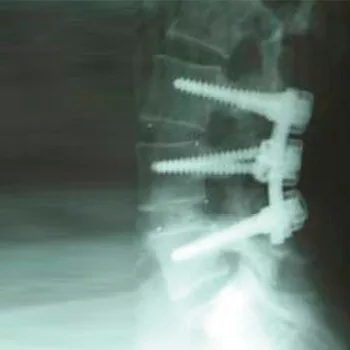
Spinal fusion is a type of spinal surgery that permanently joins two or more vertebrae (the bones that form the spine) into a single bone. This eliminates all motion at the affected spinal level, helping to reduce the pain, instability, or nerve compression associated with conditions like spinal stenosis, spondylolisthesis, or herniated disc. Over 400,000 spinal fusion surgeries are performed each year in the U.S. (according to The Spine Journal), making it one of today’s most common spine procedures.
Common Problems After Spinal Fusion: Short-Term Risks vs. Long-Term Complications

While spinal fusion effectively stabilizes the spine, its recovery process is often complex. Patients may face two types of problems: symptoms that appear early in the post-op stage, or long-term concerns like adjacent segment disease (ASD) and hardware failure.
L4-L5 Fusion Success Rate: Clinical Data & Recovery Guide

L4-L5 spinal fusion success rates typically range from 65% to over 90%, depending on the patient’s age, underlying medical conditions, and overall health, as well as the applied surgical approach. While fusion effectively stabilizes the spine after decompression for spinal stenosis, spondylolisthesis, degenerative disc disease, and other spinal conditions, it’s crucial to evaluate the risk of fusion failure, adjacent segment disease, hardware failure, and recurring pain.
Permanent Restrictions After Spinal Fusion

While spinal fusion can successfully treat conditions like spinal stenosis, spondylolisthesis, and spinal deformities, long-term post-operative success hinges on permanent lifestyle modifications to protect the surrounding vertebrae and prevent adjacent segment disease (ASD). While most patients can expect to return to a fairly mobile lifestyle, permanent restrictions may include a 20 to 40-pound weightlifting limit, no high-impact exercise or contact sports, and avoiding repetitive spinal bending and twisting.
10 Years After Spinal Fusion: Studies and Research

The 10-year anniversary of a spinal fusion is a substantial milestone, and one that often symbolizes reclaimed mobility with freedom from debilitating pain. But for some, the 10-year post-op mark can open the floodgates to unanswered questions: How long will my spinal fusion last? Is my current back pain a sign of surgery failure?
How to Prepare for Spinal Fusion Back Surgery?

Spinal fusion is often performed in conjunction with spinal decompression surgery for various spinal conditions. Decompression surgery alleviates pressure on pinched nerves that extend from the spine. This process reduces pain and restricted mobility stemming from nerve compression.
Multilevel Fusion Surgery to Cure Lower Back Pain
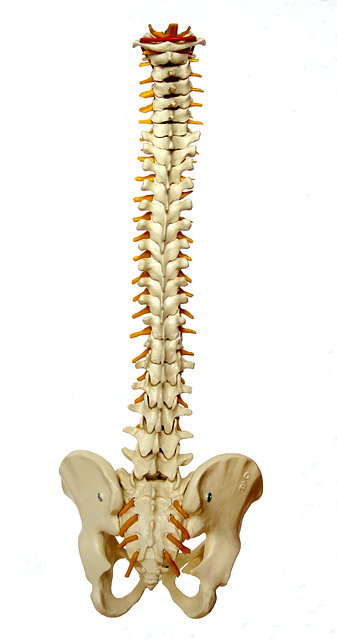
Multilevel fusion is a surgical procedure that involves permanently fusing two or more vertebrae to stabilize the spine. In this article, we’ll explore all that it entails as a lower back pain treatment, including surgical approaches, benefits, recovery timelines, and alternatives to consider.
Steps For Faster And Easier Spinal Fusion Surgery Recovery

Spinal fusion is a relatively common surgical procedure used for spinal conditions and deformities. It’s widely used to prevent spinal instability after spinal decompression surgery, which may be used for spinal stenosis, spondylolisthesis, herniated disc, and related medical concerns.
Types of Spinal Fusion Surgery
Spinal fusion is widely used to treat chronic, debilitating back pain and spinal instability. At its most basic, the procedure involves fusing two (or more) vertebrae using bone graft material. However, many types of spinal fusion surgery exist, with differing approaches to accessing and treating the spine.
Spinal Fusion Post-Surgery: What to Expect

In the lead-up to spinal fusion surgery, you may be picturing what the next few months of your months will look like. As your body heals from the procedure, your ability to move around, drive, and even prepare meals will be temporarily hindered. But, by understanding what to expect after spinal fusion, you can go into the surgery with greater confidence and, hopefully, less anxiety.
Laminectomy with Fusion

When spinal conditions don’t improve despite ongoing non-surgical treatment, surgery may be the logical next step. Laminectomy with fusion is one of the most prominent spinal decompression procedures for conditions like spinal stenosis, spondylolisthesis, and herniated disc.
The Benefits of Avoiding Spinal Fusion and Preserving Spinal Mobility

Spinal fusion is widely used to treat conditions like spinal stenosis and spondylolisthesis. It stabilizes the spine to prevent pain and further injury. Unfortunately, fusion also comes with several downsides, including lost spinal mobility, adjacent vertebral degeneration, and the risk of recurring symptoms.
When is Spinal Fusion Necessary?

Performed since the 1900s, spinal fusion is a long-established surgical procedure used to correct spinal conditions, injuries, and deformities. It involves permanently welding two to four vertebrae using bone graft material. As the vertebrae form a single bone, the risk of spinal instability is drastically reduced.
Is There an Alternative to Spinal Fusion?
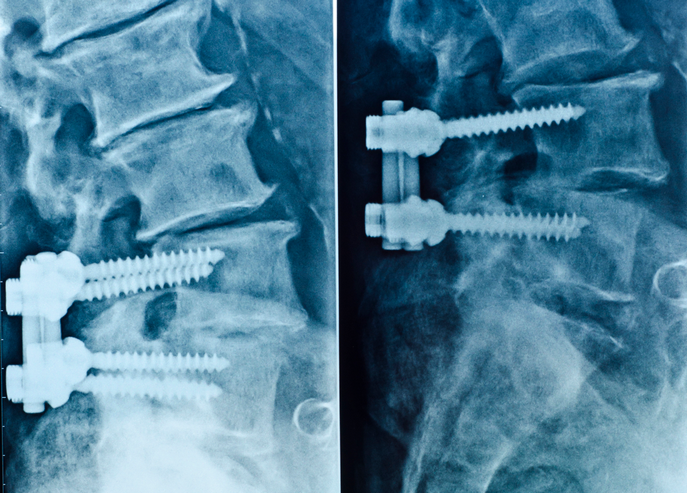
Spinal fusion is a surgical procedure that can correct problems in the small bones of the spine. In a sense, it’s like a welding process, but for bones instead of metal. The basic idea is that you fuse two or more of the vertebrae so that they can heal as a solid, singular bone.
5 Ways To Avoid Spinal Fusion Surgery

When back pain from a spinal condition becomes chronic, physicians may present the option of spinal fusion surgery to patients. However, few patients want to undergo spinal fusion unless it’s the last resort. Spinal fusion involves all of the risks of other surgical procedures, along with the prospect of significantly reduced spinal mobility.
Does The Term “Flexible Spinal Fusion” Exist in Medicine?

For spinal conditions including spinal stenosis, spondylolisthesis, and degenerative disc disease, surgery may be necessary for symptom relief. To avoid instability after spine surgery, your doctor may recommend spinal fusion.