



Spondylolisthesis
- Show All
-
Back health
-
lower back pain
-
Treatments
-
Lumbar Spinal Stenosis
-
sciatica
-
Spine conditions
-
Lumbar Pain
-
spinal stenosis
What is Spondylolisthesis? Causes, Symptoms, and Treatments
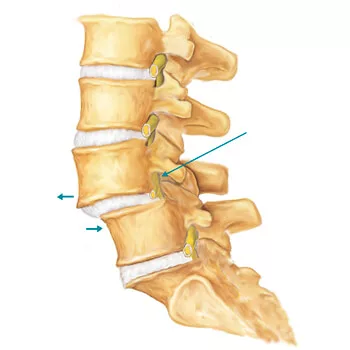
Spondylolisthesis is a spinal condition in which a vertebra (one of the bones that form the spinal column) slips forward over the vertebra beneath it, most often in the lower back (lumbar spine). The word comes from two ancient Greek words: “spondylos” (vertebra) and olisthesis (to slip or slide). It’s fairly common, with a prevalence rate of approximately 2.7% in men and 8.4% in women (for degenerative spondylolisthesis, according to StatPearls).
Grade 1 Spondylolisthesis: Causes, Treatments, Recovery Forecasts

Grade 1 spondylolisthesis, defined by a 0% to 25% forward vertebral slippage, is the mildest form of spondylolisthesis. Also known as low-grade spondylolisthesis, it results from spinal instability from age-related spinal degeneration or spinal stress fractures (called spondylolysis) from overuse. Since it’s the least severe form of the condition, grade 1 spondylolisthesis is usually resolved with conservative methods, although it still requires prompt diagnosis and treatment to prevent worsening back pain, instability, and nerve compression.
How to Sit and Sleep with Spondylolisthesis: Best Positions & Tips for Pain Relief

If you have symptomatic spondylolisthesis, you likely know that the condition can make it difficult to sit and sleep comfortably.
L4-L5 Spondylolisthesis

The L4-L5 segment is the most flexible part of the lumbar spine. Though this flexibility is crucial to carry out basic movements, it also makes the L4-L5 more susceptible to certain spinal conditions, including spondylolisthesis.
Spondylolisthesis in Athletes: Treatment and Return to Sports

Spondylolisthesis is a prevalent spinal condition among athletes. While many older adults experience spondylolisthesis due to spinal degeneration, certain sports place excessive strain on the spine that can lead to spondylolisthesis, even in children, teens, and young adults.
Isthmic Spondylolisthesis: Causes, Symptoms, and Treatment Options

The spine is (literally) the backbone of all human movement. Despite its major role in our daily activities, it’s also quite delicate and vulnerable to various conditions, including isthmic spondylolisthesis.
Spondylolisthesis Self-Care: Effective Pain Management Techniques for Daily Relief

Self-care isn’t optional for a healthy, balanced life - it’s a necessity. If you struggle with a spinal condition like spondylolisthesis, taking time out of each day to care for your body and mind becomes even more critical.
Grade 2 Spondylolisthesis

Spondylolisthesis occurs when one of the bones of the spine, called vertebrae, slips out of its usual position and settles on the bone beneath it. This can set off a chain reaction in the surrounding tissues, causing back pain, stiffness, and, in some cases, neurological symptoms. Grade 2 spondylolisthesis involves a 25 to 50% slippage in the affected vertebra, and it’s a relatively common form of spondylolisthesis.
Spondylolisthesis Exercises Guide

Spondylolisthesis is a spinal condition that causes a vertebra to slip out of its normal position. The resulting misalignment of the spine can trigger back pain and weakness, tingling, and numbness that spreads to the extremities.
Spondylosis vs. Spondylolysis vs. Spondylolisthesis: Key Differences and Treatment Options

Spondylosis, spondylolysis, and spondylolisthesis are spinal conditions that are spelled - and sound - very similar. As a result, these terms are commonly confused. However, they’re all distinct conditions with different definitions, symptoms, and treatment options.
ICD-10 Code for Lumbar Spondylolisthesis: Understanding Diagnosis and Classification

The first step on the road to recovery for any condition, including lumbar spondylolisthesis, is an accurate diagnosis. While the accessibility of online medical information has led some people to avidly self-diagnose, we need to rely on medical professionals to make correct diagnoses after a thorough evaluation. Nonetheless, understanding how lumbar spondylolisthesis is diagnosed and classified can empower you to take an active, involved role as the patient.
The Hidden Struggle of Spondylolisthesis: Understanding Luigi Mangione’s Condition

The recent news of Luigi Mangione, the suspect accused of killing UnitedHealthcare CEO Brian Thompson, has brought a new wave of attention to a condition that affects millions of people worldwide: spondylolisthesis.
How I Cured My Spondylolisthesis Naturally?

Spondylolisthesis is a potentially debilitating spinal condition. It develops when one of the vertebrae of the spine slips out of its proper position and settles on the vertebra beneath it. The misaligned vertebra can cause persistent back pain and neurological symptoms.
What Part of the Spine Is Spondylolisthesis?
With spondylolisthesis, one of the spinal bones (vertebra) slips out of its usual position and rests on the bone beneath it. But, what part of the spine is spondylolisthesis primarily located? Considering that an estimated 39 million people are diagnosed with this condition each year, this is a common question among patients today.
Spondylolisthesis Surgery Overview
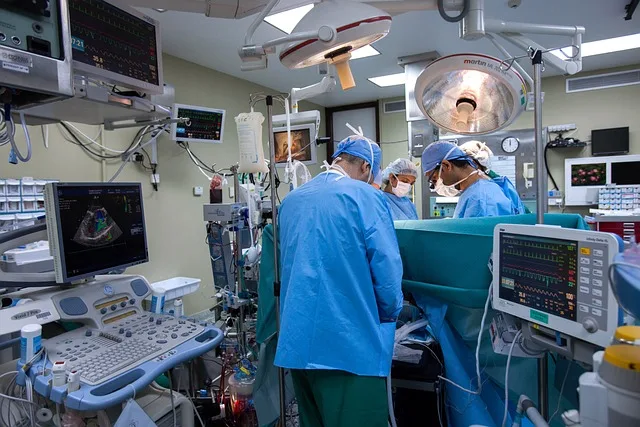
Spondylolisthesis is a spinal condition that can cause significant back pain and numbness, tingling, or weakness in the extremities. In most cases, people with this condition recover without having to go under the knife. But, when non-surgical therapies fail, spondylolisthesis surgery may be necessary.
Spondylolisthesis in Children and Adolescents

Spondylolisthesis is a condition involving spinal instability. It develops when a vertebra slips out of its normal position and rests on the vertebra below. This can trigger back pain and nerve compression.
Spondylolisthesis Symptoms

As the body’s most complex structure, the spine is particularly vulnerable to injury and degeneration. One possible spinal condition is spondylolisthesis, which affects the bones of the spine (called vertebrae).
Spondylolisthesis Surgery Recovery

Have you heard of spondylolisthesis? This prevalent spinal condition comes on when a vertebra slips out of its proper position. The vertebra settles on the spinal bone beneath it and may press on nearby nerves, leading to back pain and neurological symptoms.
Can Spondylolisthesis Be Reversed?

Spondylolisthesis can cause lasting pain, stiffness, and neurological symptoms. In some cases, this spinal condition can diminish patients’ mobility and ability to carry out day-to-day tasks. So, many spondylolisthesis patients wonder whether or not the condition can be reversed.
Non-Fusion Surgery For Degenerative Spondylolisthesis of The Lumbar Spine

The natural aging process has a noticeable impact on the entire body. The spine is included in this process and, as a result, degenerates with age.
How To Treat Spondylolisthesis? The Best Treatment For Mild and Severe Spondylolisthesis

Spondylolisthesis is a potentially debilitating spinal condition. Unfortunately, it can develop at any age and can be caused by a variety of factors.
What Makes Spondylolisthesis Worse?

If you have symptomatic spondylolisthesis, you know that it can cause significant back pain. At times, this pain may be manageable and not interfere with your normal activities. However, when spondylolisthesis flare-ups occur, it may be more difficult to carry out your routine.
Physical Therapy After Spondylolisthesis Lumbar Surgery
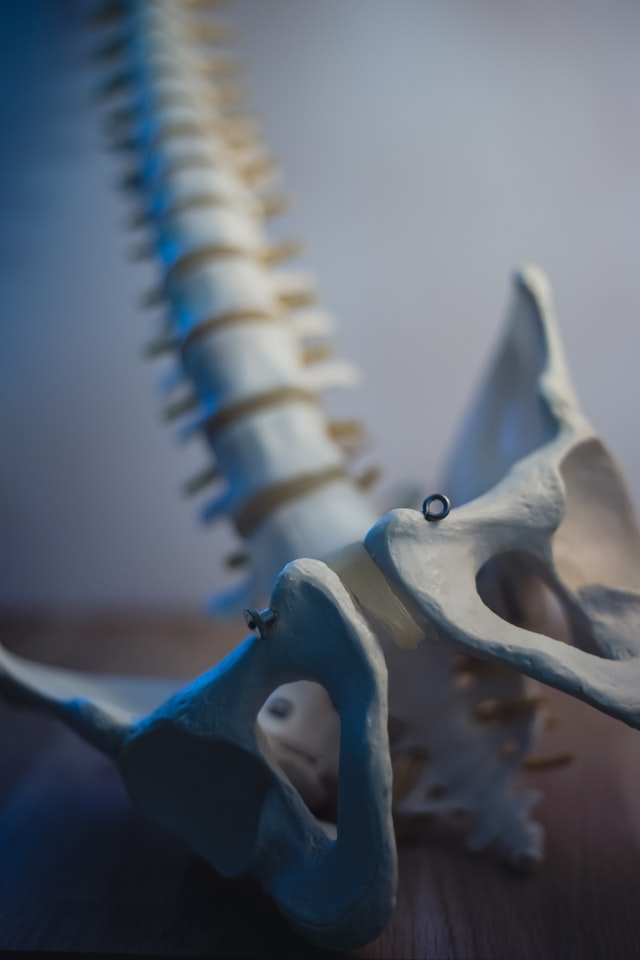
After undergoing surgery for lumbar spondylolisthesis surgery, the body needs time to heal and recover. An important aspect of this recovery process is physical therapy.
How to Adjust Your Lifestyle for Faster Recovery from Spondylolisthesis Treatment Surgery
Many people in the US and across the world suffer from Spondylolisthesis which can cause ongoing back pain and neck pain. Although it is not considered a serious ailment and many people can work and live a normal life while suffering from the condition, it is obviously an unwanted condition and the pain can result in stress and prevent a person from doing numerous activities.
Spondylolisthesis Grades and Physical Therapy

Spondylolisthesis is a disorder in which one vertebral body slips from the adjacent vertebral body. As an effect, there might appear radicular or mechanical symptoms. An affected person can feel pain and discomfort. The cause can be acquired, idiopathic, or congenital. Depending on the degree of slippage, a doctor can grade your spondylolisthesis. To do this, medical experts use the Meyerding Classification.
Slipped Vertebrae Treatment Options

Slipped vertebrae are also called Spondylolisthesis. That is a severe spinal condition that frequently causes low back pain. It can happen when one of the vertebrae (bones in the spine) slips out of place and hits the vertebra below. Many times, you can use nonsurgical treatments to relieve the symptoms. However, some people may require spondylolisthesis surgery.